Incoming inspection
Cells, BMS units and critical components checked against order requirements.
Control materials, workmanship, protection functions and final release—and verify every report against the exact model, manufacturer, date and destination need.
Quality control is not a single final test. It begins with incoming materials and continues through cell matching, assembly, BMS checks, charge/discharge validation, aging and shipment release.
Cells, BMS units and critical components checked against order requirements.
Relevant voltage, capacity and internal-resistance controls before assembly.
Welding, wiring, insulation, fastening and structural verification.
Sensing, current protection, alarms and communication behavior as specified.
Configured functional checks and aging verification before release.
Appearance, labels, accessories, packing and order-specific sign-off.
Available reports vary by model, configuration and market. Purchasing teams should verify the applicant, manufacturer, factory, model, standard, report number, date and destination acceptance before relying on a document.
Confirm that the battery model and rated configuration match the item being purchased.
Review the applicant, manufacturer and factory shown on the document.
Understand what was tested and what the report does—and does not—cover.
Check current acceptance and any route- or carrier-specific time limits.
Distinguish UN38.3, MSDS and shipping assessments from product certification.
Confirm requirements with the target market, customer and logistics provider.
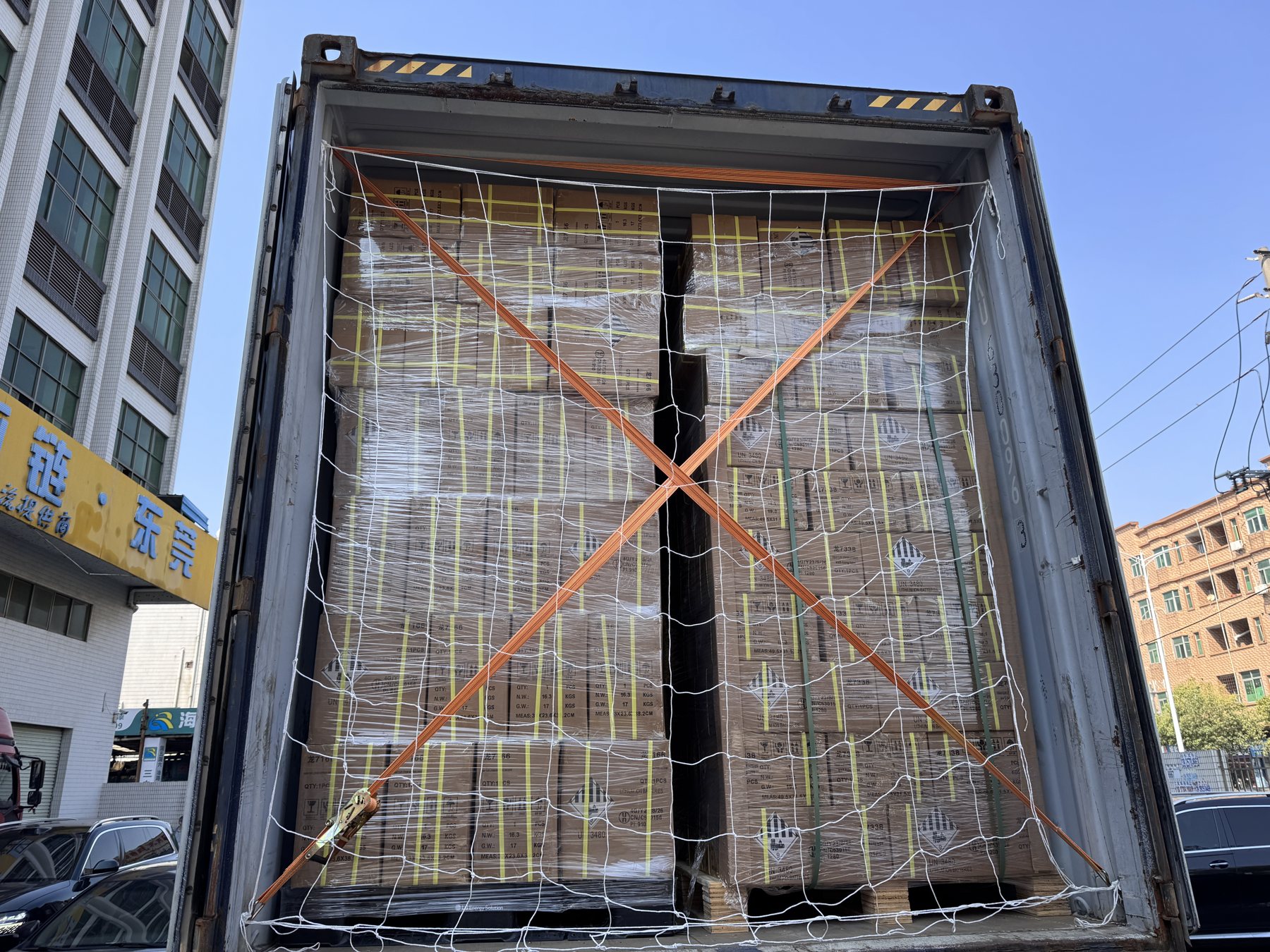
Depending on the model and route, the package may include available UN38.3, MSDS, IEC-related or other supporting records. Availability must be confirmed rather than generalized across the catalogue.
MSDS and transport assessments are not the same as product certification. A report for one capacity or manufacturer should not be represented as covering unrelated models.